

What you see is what you get when it comes to visual branding. When a customer encounters your branded visuals, they’ll use that experience to make assumptions about your business. This is exactly why developing a clear visual identity that reflects your core messaging and brand values is so crucial. Each touchpoint can help convey brand personality and build brand credibility in the eyes of your audience.
So, to make a great first impression, you’ll need a brand image that communicates what you want your audience to know about your business, at a glance. This is also an opportunity to reinforce brand recognition by creating consistency in your marketing materials and ensuring that every element is aligned with your brand strategy and brand language.
Here’s what to do when refining a brand, and why visual branding matters.
What Is Visual Branding?
Visual branding is an important facet of your marketing strategy. It consists of all the visual elements used to represent your business, from your logo design to the font on your business cards. Each component works together to create the overall look and feel of your brand style, ultimately forming a strong brand identity that resonates with your audience.
Your visual branding serves several purposes.
First, it’s there to convey your brand personality and make an emotional impression on your audience by showcasing your brand colors and other visual elements that help tell your brand story.
Next, your brand’s visual identity will help your audience learn about your business. Potential customers use visual cues to understand:
- Where your business fits in the market.
- What makes your brand unique.
- What they can expect from your products or services.
Finally, your visual branding approach will help unite the many fragments of your brand through consistent images. Whether your target customer looks at an email newsletter, Instagram post or brochure, shared brand logo and brand language elements will signal that it’s your business speaking. By harmonising these assets, you effectively reinforce brand identity and make it easier to represent the brand cohesively across multiple channels.
Why Does Developing a Visual Brand Identity Matter for Your Business?
When customers shop around for businesses to work with, they are indeed judging the book by its cover. In other words, they’re evaluating your business based on its visual branding.
Why? Well, in many ways, the brand experience echoes the customer experience. Having a strong visual identity can immediately signal to prospective clients that your brand values are rooted in quality, professionalism and attention to detail. This also helps reinforce brand credibility, since a polished look typically indicates that your brand strategy and its related operations are well-managed.
If a prospective client encounters a brand where quality and detail appear to matter, they will expect the same level of quality, care and consideration with your products or services. However, if your visual branding is on the sloppier side, they probably won’t anticipate top-notch service.
When your audience encounters visuals that signify a playful, fun brand personality, they’ll look forward to having a blast with your business. When they come across a more buttoned-up brand, they’ll know you take important matters seriously. By aligning your branding and visual language with these emotional cues, you help build brand trust and set the tone for ongoing interactions.
Your approach to visual branding can also say a lot about your position in the market. This is known as brand positioning. By representing your brand through high-end visuals and custom design work, you’re hinting that your audience can expect to pay a premium. If you’re just squeezing by with the bare minimum, this signals you have a smaller budget and, most likely, lower prices to match. In either case, how you create brand visuals directly impacts the perceptions your target audience holds.
5 Main Elements of Visual Branding
Your brand identity is made up of 5 key components:
- Logo.
- Typography.
- Color palette.
- Graphic elements.
- Imagery.
Visual branding is more than logos and colors; it’s about building a cohesive identity. Competitive advantage strategies, like Porter’s Generic Strategies, boost market position by showcasing unique offerings. Align visual elements with strategic decisions to create a memorable customer journey that attracts and retains clients. Explore more in our guide on competitive advantages.
Let’s take a look at each of these visual branding essentials in detail:
1. Logo
Logo is an umbrella term that describes all visual elements used to identify or represent a brand. However your logo looks, it should be a unique signifier that introduces or reinforces your business name and brand personality.
Consider it the “face” of your brand. Whether you hire a graphic designer or use a free logo maker, be sure that the design matches your brand messaging. This visual hallmark should also serve as a continual reminder of your core values and the unique brand story you want to showcase.
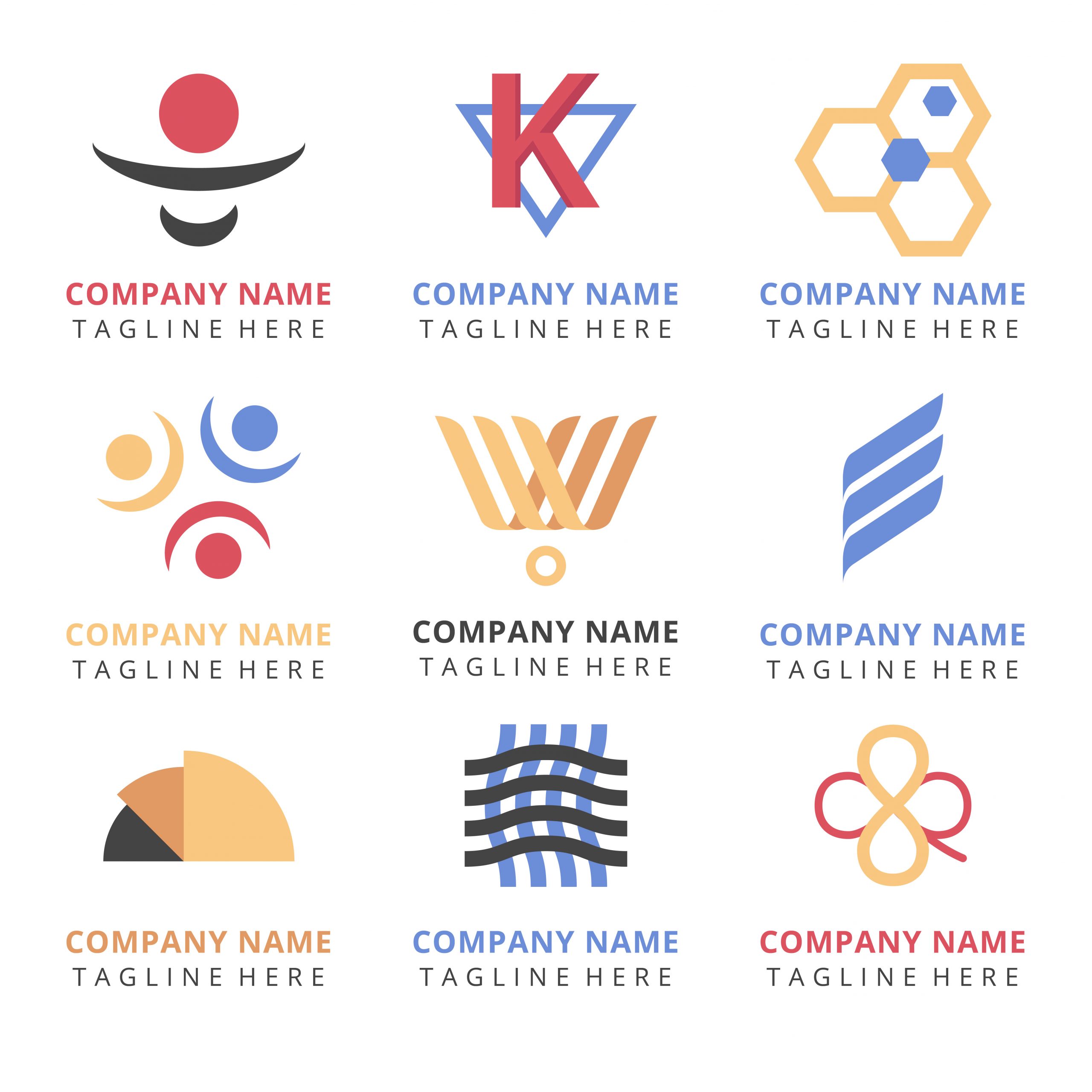
When you’re thinking about how to represent your brand visually, keep in mind that there are several different types of logo elements you can play with.
A wordmark or logotype is primarily composed of text and usually features the brand’s name in a stylized font. For example, the cursive Coca-Cola logo and boxy FedEx logo are instantly recognizable wordmarks.
Another possible component is a brand mark or logomark, a pictorial image used to represent the brand. Think of the Target Bullseye or the Nike Swoosh.
Of course, some logos combine a wordmark and brand mark. Target’s use of bright red Helvetica text is just as memorable as the Bullseye brand mark. These two elements can be used together or separately, depending on the application.
You might also choose to add a tagline to your logo to explicitly state what your company does, where it’s located or when it was established. This can make it easier to build brand presence among people who are just being introduced to your offerings.
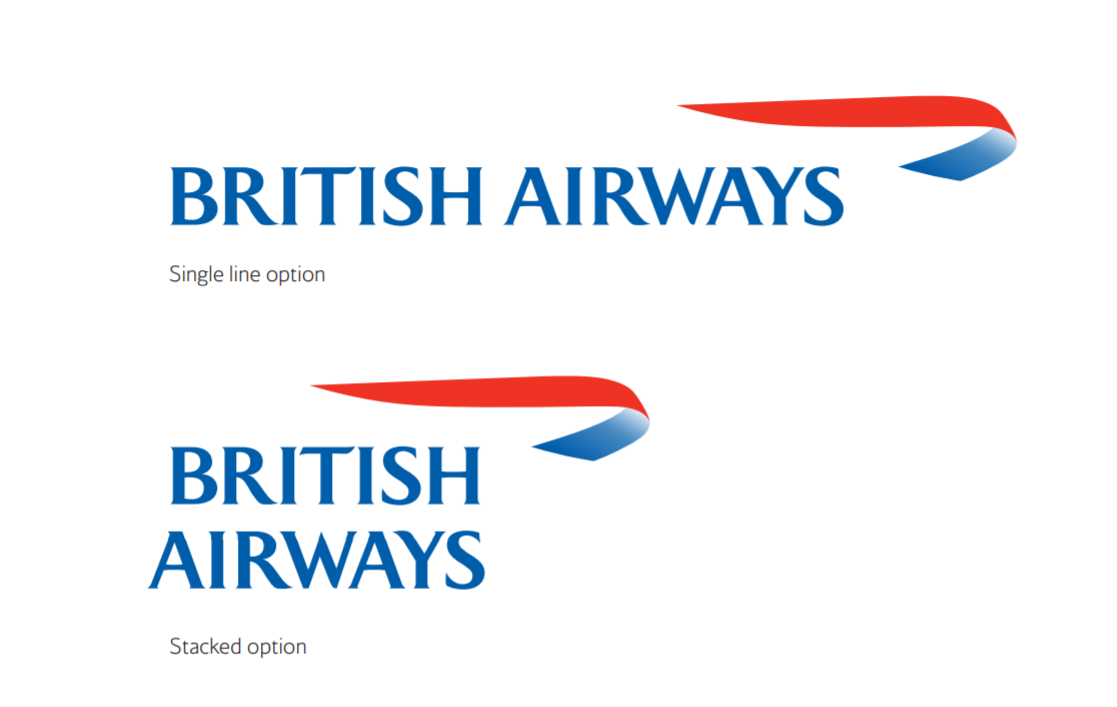
Here, you can see variations of the British Airways logo. It’s made up of the wordmark spelling out the airline’s name and Speedmarque brand mark. Like the Bullseye and Swoosh, the Speedmarque is often decoupled from the company name and used to reinforce the brand’s identity during various customer touchpoints.
2. Typography
When your brand has something to say, the way your text looks on the screen or page will add a level of meaning beyond the words themselves. Big, block letters will convey strength and stability; a swirling script might communicate elegance and tradition. That’s the magic of typography and its role in helping your brand stand out visually.
Typography is a science and a visual art form related to the display of text. In terms of visual branding, it’s the specific brand fonts you choose and how you use them. This is an integral part of brand language since it shapes how people experience your message.
Graphic design experts often recommend pairing a sans-serif font with a serif font to distinguish headers from body copy. The little tapering lines known as serifs can add an air of distinction to the text. But their absence can create a sleek, modern appearance. When used in tandem, both styles can give your brand messages a balanced feel.
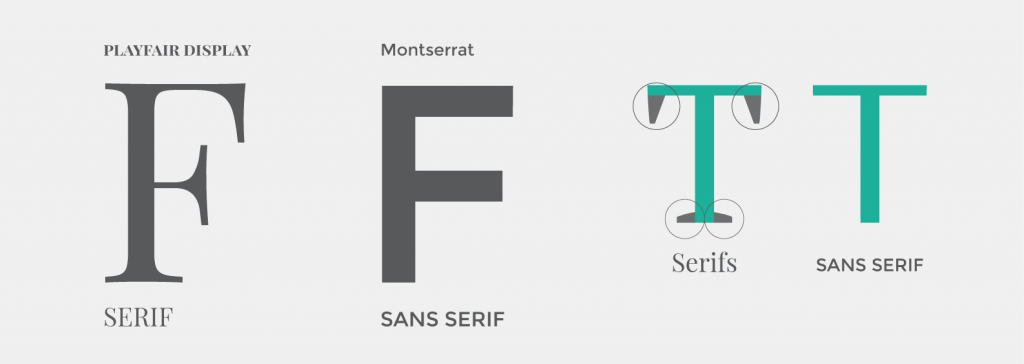
British Airways embraces this technique, with a serif font used in the word mark and variations on Mylius Modern, a sans serif typeface, for other text. (Note the use of the Speedmarque here as well.) The cohesive look of these design elements brilliantly shows how consistent typography choices can strengthen visual identity.

3. Color Palette
The color palette you select for your logo and other visual content will evoke an emotional response and contribute certain qualities and characteristics to your brand. In the language of colors, verdant greens can represent balance and nature, cool blues evoke a feeling of calm and sunny yellows suggest warmth and optimism. The colors you use, and how you combine them, will really set the mood for your visual identity and help you create brand flair.
Your core color palette could involve just a primary and secondary color, or several different hues. British Airways uses specific shades of blue, white and red as a nod to the Union Jack. This choice helps represent brand heritage and underscores the airline’s deep connection to its home country.
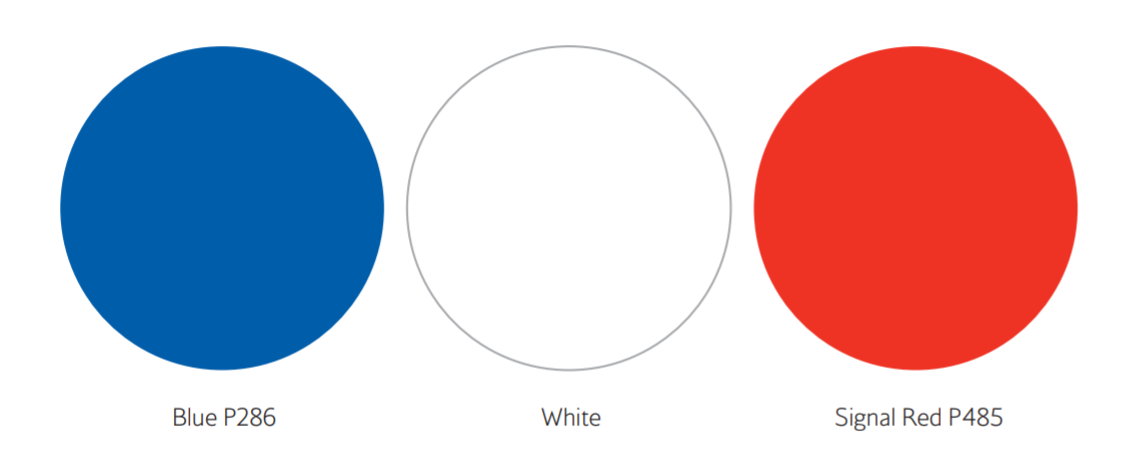
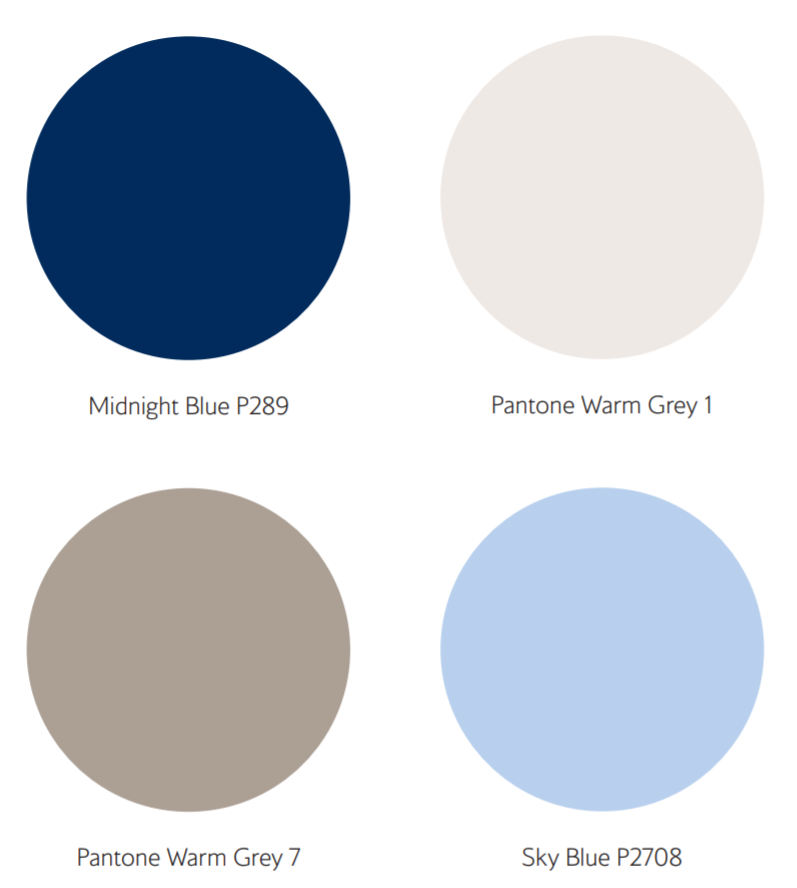
An extended color palette can give you more options when it comes to design. For instance, you might specify a light option, a dark option and several neutral hues that complement your core color palette. These help add depth to your primary color choices, send subtle signals about your brand story and complete the ambiance of a visual piece of branded content.
4. Graphic Elements
Additional details that feel true to your brand can add dimension to your visual identity. When creating marketing materials and other pieces of design, you can incorporate graphic design elements like:
- Shapes.
- Patterns.
- Textures.
- Negative and positive space.
- Linework.
- Icons.
- Formatting.
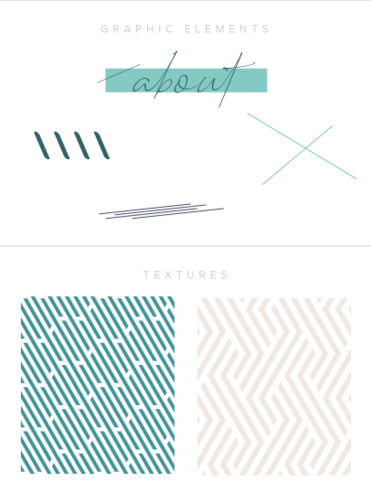
These elements, of course, can be rendered in your brand color palette. They can even share similar visual qualities with your logo design and typography. By doing so, you reinforce brand presence and maintain consistent visual appeal throughout your deliverables, ensuring a strong visual identity that your audience will recognise.
5. Imagery
Finally, the photos and illustrations you include across your branded content should reinforce the same look and feel as the rest of the elements we’ve covered. Whether you use stock photography, original shots or custom graphics, these can help evoke your brand’s personality and values. Choosing the right images can also help build brand connections with your audience by telling a brand story that resonates with them.
Each picture speaks a thousand words — so be sure that the people, places, products and props you feature communicate the right message. Imagery can help you convey brand emotions in an instant, shaping how your customers perceive you long before reading any copy.
As outlined in the British Airways brand guidelines, the airline prefers “epic panoramas” that evoke “the romance of travel.” It also encourages realistic product photography that clearly and realistically illustrates the function of a particular travel accessory.
The creative direction you choose for your images can also be influenced by your brand color palette. The cb2 brand centers on dramatic, high-contrast hues and geometric shapes. Accordingly, the retailer uses imagery that exhibits these colors and qualities in their catalogs and Instagram posts. This helps represent brand authenticity and maintain a strong brand presence that is easily recognisable on social media or in other promotional channels.

Characteristics of a Good Visual Identity
A successful visual identity will make a great first impression with your audience. From then on, it can boost brand awareness and resonance throughout the customer lifecycle.
Here are the most important visual branding characteristics:
It’s Meaningful
Your visual brand is an important communication tool. So, the visual “language” you use should help reinforce brand personality and marketing messages. Colors, fonts and images represent different emotions and attributes, meaning it’s important to choose elements that express the right meaning for your brand.
It’s Memorable
In order to promote brand recognition, you’ll want a visual brand identity that is recognizable and memorable. A strong visual approach that integrates a clear brand logo and focused brand colors can also highlight what makes you a strong brand in a crowded marketplace.
Including concrete or abstract visual cues that connect your business to your industry or services is a helpful way to communicate who you are and what you do.
Or, if your business is just starting out, including a wordmark in your logo will help reinforce your brand name. If you just use a brand mark, viewers might remember the unique image but not the name itself. That won’t come in handy when they try to find you on Google.
It’s Simple
Your logo and other visuals should stand out from the competition, but they should be simple enough for your audience to remember easily. Simplicity often allows for easy replication across marketing materials, making it simpler to represent the brand consistently.
When people were asked to draw car logos from memory, the most simple, streamlined logos proved easiest to recall. There were a lot more accurate logo sketches for Audi than Alfa Romeo — and some very poorly drawn Ferrari horses. But the fact that 82% of participants actually attempted to illustrate the Prancing Horse is a good sign for brand awareness.
It’s Versatile
Incorporating practical and versatile elements into your visual branding approach will make it easier to promote consistency. After all, the same visual brand identity will need to appear across all branded assets. Depending on your business, these might include your:
- Website.
- Advertisements.
- Social media content.
- Print materials.
- Product labeling and packaging.
- Email communications.
- Paper or digital business cards.
- Mobile app.
- Branded merchandise.
- Staff uniforms.
- Office or storefront design.
- Service vehicles.
Here’s what this means in practical terms. You might get excited about using a color gradient on your website. But, if you’re in the construction industry with a construction-themed website, you’ll quickly realize it won’t be affordable (or possible) to order screen-printed hard hats, mesh safety vests or embroidered polo custom t-shirts with that gradient. Another texture or pattern would be more adaptable.
Thinking about the brand strategy early on helps you distribute your visuals seamlessly across platforms and ensure your visual identity remains intact.
It’s Consistent
Last but not least, ensuring visual consistency is key. Whether customers first meet your brand on social media or by spotting your service van on their street, they should have the same brand experience. Once you’ve established a meaningful, memorable, simple and versatile brand image, use it to create cohesion across different visual touchpoints. This type of consistent visual approach helps you reinforce brand values at every step of the customer journey.
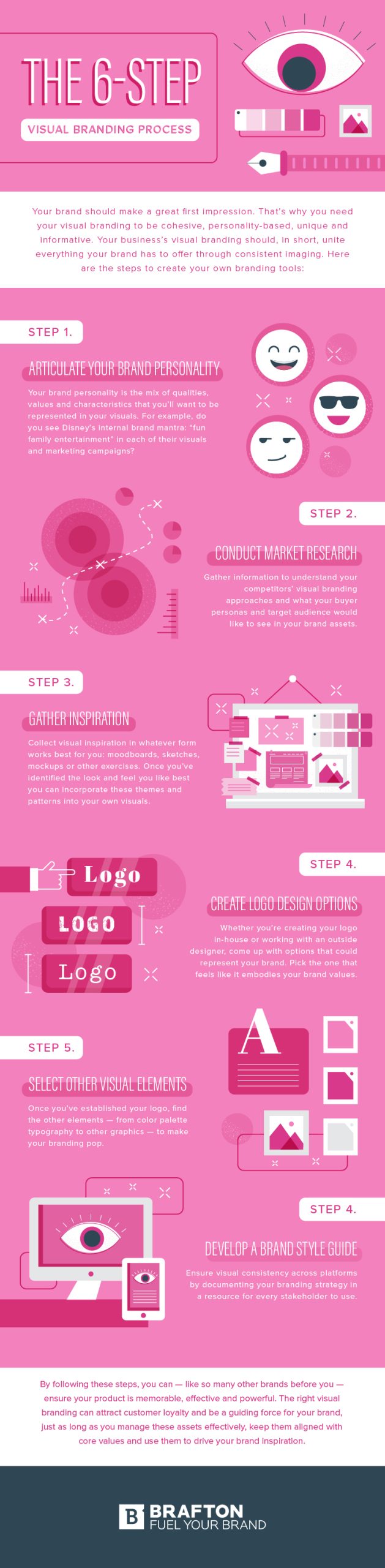
A Quick Tour of the Visual Branding Process
Whether you’re taking a DIY approach with your own set of branding tools or partnering with a brand agency, the steps in the visual branding process will look fairly similar:
- Articulate your brand personality and how it relates to your business goals and values.
- Conduct market research to understand your competitors’ visual branding approaches and what your target audience will be looking for.
- Gather inspiration and collect visual references through moodboards, sketches, mockups and other exercises.
- Create logo design options that could represent your brand, then choose the one that feels like the right fit.
- Select other visual elements that work well with your logo and complete your visual brand.
- Develop a brand style guide to document your strategy and ensure visual consistency moving forward.
The brand style guide is the all-important deliverable your visual branding project will conclude with. Here’s an example from the British Airways brand guidelines.
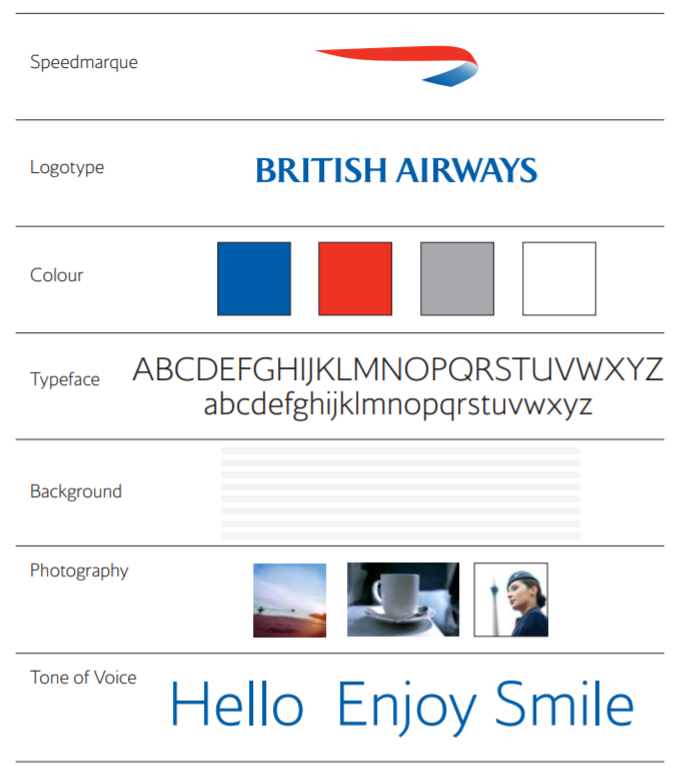
It provides an at-a-glance overview of the brand mark and wordmark used in the logo, the brand color palette, brand font, imagery and other graphic elements. It even references the brand voice that should be injected into all marketing messages.
This comprehensive, 147-page document details visual branding do’s and don’ts to promote a strong and consistent visual identity. Your business might not need a style guide with quite as much detail, but your approach can still be the same.
By creating a brand style guide, you ensure that every design choice you make helps represent brand continuity and encourages a strong identity at every turn.
Don’t Underestimate the Power of Visual Branding
The right visual branding can instantly draw customers in, attract top talent and empower internal teams. It can serve as a guiding force, keeping you aligned with your core values and inspiring you to take your business to greater heights.
A thoughtfully crafted visual identity illustrates your brand story and ensures all marketing materials work together to communicate a clear purpose harmoniously.
So, what are you waiting for? There’s no better time to build brand equity with a strong visual presence that reflects your brand values. By focusing on consistency, you’ll create brand synergy, win over your audience and support a brand strategy that carries you forward without fail.
Editor’s note: Updated October 2025.